|
The Problem
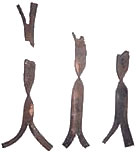
Cavity walls were constructed to offer protection from the elements and to create better thermal qualities. They consist of two separate walls "tied" together using some form of "cavity wall tie". Large numbers of walls with metal wall ties were constructed in the building boom of the 1930's. After the Second World War, cavity walls became a standard form of construction for dwellings and many other forms of buildings. Old metal wall ties commonly came in the form of a strip of metal with a sacrificial protective coating of either black bitumen or zinc.
In the early 1980's the problem of cavity wall tie corrosion became evident, identifying that the zinc/bitumen coated steel wall ties which had been used in the construction of cavity walls deteriorated much quicker than had been anticipated. In 1981 the British Standard for the protection of metal wall ties in construction was amended and the zinc protective coating was tripled in thickness.
Deterioration of cavity wall ties has been found to be a much more serious and widespread problem to walls throughout the UK than was first anticipated, particularly in exposed areas or in walls of particular construction and with specific mortar types.
Possible Visual Symptoms of Cavity Wall Tie Corrosion:
- Horizontal and Stepped cracking to masonry/mortar pointing/external coatings.
- Bulging walls.
- Loose high level masonry.
The Solution
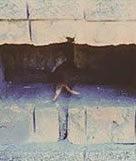
In order to assess existing cavity wall ties Woodworm Treatment Services use various types of specialist equipment. High quality metal detectors are used to locate the wall ties within the construction. After location the condition of the wall ties is assessed using fibre optic boroscopes.
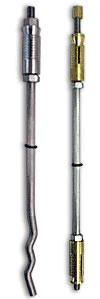
After assessment of the cavity wall ties Woodworm Treatment Services will put forward a specification for remedial works if required.
As an independent contractor, we can select the best product for each particular situation and recommend the best possible remedial action to be undertaken as and when necessary.
|